
States in Rind are flow condition definitions and runtime facts managed by the flow runtime. They are typed by payload, can be activated/removed, can branch into keyed instances, and can trigger other states/signals through after dependencies.
Core Definition
The base state metadata defines identity and payload type.
name: The unique state name.payload: Payload type. Valid values arejson,string,bytes,none.
[[state]]
name = "active"
payload = "string"
Activation on Missing Dependencies

activate-on-none auto-manages a state when dependency states are absent.
activate-on-none: List of state names.- The state is auto-applied when all listed states are missing/empty.
- The state is auto-removed when any listed state becomes active.
[[state]]
name = "online"
payload = "none"
activate-on-none = ["net@interface"]
Transcendent Dependencies

after declares state conditions that drive this state automatically.
after: List ofFlowItemconditions.- Runtime behavior:
- On source apply: this state applies when all
afterconditions match. - On source revert: this state reverts when the condition set is no longer satisfied.
FlowItem forms:
- Simple:
"state-or-signal-name" - Detailed:
{ state = "..." }or{ signal = "..." } - Detailed can include
targetandbranchmatch operations.
[[state]]
name = "net-configured"
payload = "json"
after = ["net@interface"][[state]]
name = "session-ready"
payload = "json"
after = [
{ state = "rind@user_session", target = { as = { authenticated = true } } }
]Branching and Payload Mapping
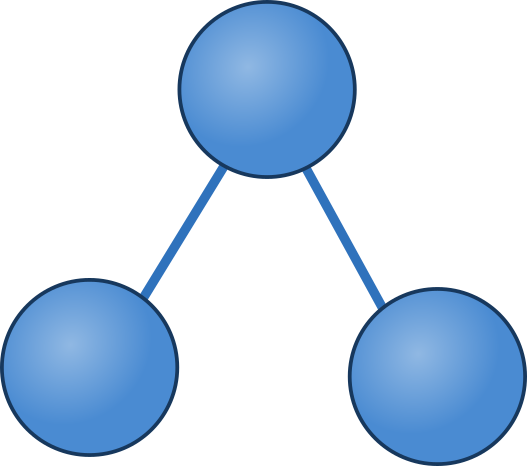
branch controls how JSON payloads are keyed and mapped.
- For direct
set_stateon JSON states: branchfields define identity keys for upsert/merge.- If omitted, default key is
id. - For transcendent (
after) propagation: branchacts as mapping specs from source payload.- Supports
targetortarget:sourceform.
[[state]]
name = "user_session"
payload = "json"
branch = ["session_id"][[state]]
name = "service-user"
payload = "json"
after = ["rind@user_session"]
branch = ["username:user", "uid"]Auto Payload Generation
auto-payload generates payload when runtime needs a default/generated state payload.
auto-payload.eval: Command to execute.auto-payload.args: Optional command args.auto-payload.insert:- String key (single insert),
- List of keys (line-by-line mapping),
"root"to use parsed output as root JSON.
[[state]]
name = "hostname"
payload = "json"
auto-payload = { eval = "/bin/hostname", insert = "value" }
Transport Subscribers
States can publish set/remove events to configured Transport subscribers.
subscribers: List ofTransportMethodentries.- On bootstrap, subscriber endpoints are set up.
- On state apply/revert,
type = "state"messages are sent with actionset/remove.
[[state]]
name = "net-interface"
payload = "json"
subscribers = [
  { id = "uds", options = ["/run/rind/net-interface.sock"] }
]
Permission Gates
State writes through transport can be permission-gated.
permissions: List of permission IDs (eitheru16or full name to Permissions).- Used by transport incoming handling before dispatching
set_state/remove_state.
[[state]]
name = "firewall"
payload = "none"
permissions = [1001, "myperm"]
Broadcast
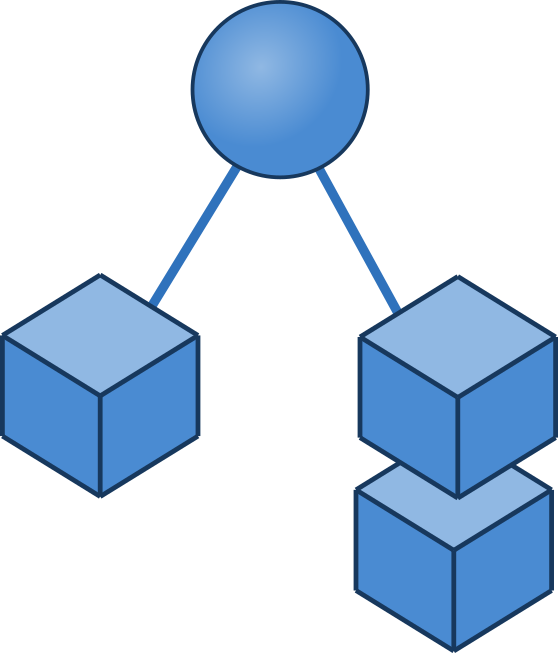
broadcast: Defined on the model and accepted in TOML.- Current flow runtime path does not consume this field yet.